
中国与全球主要算力国家电力与算力优势对比(中英文对照完整版)
一、核心总览对比|Overview Comparison
中国|China
中文
中国拥有全球最大发电装机与特高压统一电网,跨区域电力调度能力全球领先。依托“东数西算”国家级战略,西部风光绿电资源富集、电价低廉,是全球最适合规模化落地算力生产、算力资产化、算力Token发行的区域。算电协同、柔性负荷调度为中国独有国家级优势。
English
China owns the world’s largest power generation capacity and the largest UHV unified power grid, leading globally in cross-regional power dispatching. Supported by the national “East Data, West Computing” strategy, western China is rich in wind and solar green power with low electricity prices. It is the most suitable region worldwide for large-scale computing production, digital assetization, and computing token issuance. The national power-computing coordination and flexible load scheduling are unique core advantages of China.
美国|United States
中文
全球高端芯片、大模型训练、AI软件生态的绝对中心,前沿科研与训练算力最强。但电网老旧碎片化、扩容受限、电力容量缺口严重,电价波动极大,电力已成为美国AI算力扩张的最大瓶颈,不适合大规模低成本算力量产。
English
The US dominates high-end chips, large model training, and AI software ecosystems with the world’s most advanced training computing power. However, its power grid is aging and fragmented with limited expansion capacity and severe power shortages. Electricity prices fluctuate sharply. Power constraints have become the biggest bottleneck for US AI expansion, making it unsuitable for low-cost large-scale computing mass production.
欧洲|Europe
中文
绿电占比高、合规体系完善,适合精细化AI与行业模型应用。但各国电网独立、审批周期极长、工商业电价全球偏高,无法承接十万卡、吉瓦级大规模算力集群与算力Token规模化产出。
English
Europe features a high green power ratio and mature compliance systems, suitable for refined AI and industrial model applications. Nevertheless, independent national grids, extremely long approval cycles, and globally high industrial electricity prices prevent Europe from supporting GW-scale super computing clusters and large-scale computing token output.
中东(沙特/阿联酋)|Middle East
中文
土地广袤、光伏资源极其丰富、资本充足,可打造零碳超级算力基地。但无本土芯片、软件、技术人才产业链,完全依赖外部输入,无法形成可持续的算力生态与标准化Token资产体系。
English
The Middle East has vast land, abundant solar energy, and sufficient capital to build zero-carbon super computing bases. However, it lacks local chips, software, and technical talent, fully relying on external imports, making it unable to form a sustainable computing ecosystem and standardized token asset system.
韩国|South Korea
中文
掌控HBM存储核心供应链,为AI算力上游关键环节。但本土能源匮乏、电价高、无完整大模型算力生态,不具备大规模算力商业化与Token发行能力。
English
South Korea dominates the core HBM supply chain, a critical upstream link for AI computing. However, it suffers from insufficient domestic energy, high electricity prices, and incomplete large-model computing ecology, lacking capabilities for large-scale commercial computing and token issuance.
二、核心维度对比表|Bilingual Comparison Table
维度 Dimension 中国 China 美国 USA 欧洲 Europe 中东 Middle East 韩国 South Korea
发电与
Power & Grid 全球第一装机,全国一张特高压电网,跨区调度极强
No.1 installed capacity & unified UHV grid 发电量第二,电网老化
Second generation, aging & fragmented grid 装机充足,多国分网,审批极
Sufficient capacity but separated grids & slow approval 风光资源顶级,土地
Top wind & solar resources 能源对外依赖高,电网承载力
High energy import reliance
电价
Power Cost 西部绿电0.3–0.4元/kWh,算力成本
Lowest cost: 0.3–0.4 CNY/kWh 波动大
Highly volatile & expensive peak price 全球高价,是中国西部2–4
2–4× higher than West China 自建光伏可实现极低
Ultra-low self-built solar power 工商业
Relatively high industrial price
Green Power & Policy** 全球最大风光装机,国家统筹东数西
Largest green power & national computing-power coordination 企业PPA自主购电,
Enterprise PPA-based, no national scheduling 绿证成熟,但总量不足、政策限制
Mature certificates with capacity limits 零碳
Zero-carbon computing friendly
Limited green power growth
核心
Core Weakness 高端GPU受限
High-end GPU restrictions 电网瓶颈锁死算力扩张
Grid bottleneck restricts expansion 成本高、落地慢、无法规模化
High cost & slow implementation 技术与
Full external reliance on tech & talent 能源禀赋不足
Insufficient energy & weak business loop
三、产业结论(算力Token专属)|Conclusion for Computing Token
中文
- 美国强于训练算力,但受电力与电网约束,无法大规模、低成本稳定产出标准化算力资产。
- 欧洲、韩国成本与生态受限,不具备算力Token规模化发行与流通基础。
- 中东仅具备基建优势,无完整算力生态,无法形成可确权、可拍卖、可流通的标准化Token体系。
- 中国是全球唯一同时具备:低成本绿电、国家级算电协同、超大规模算力集群、政策合规底座的国家,是全球最适合落地算力量产、算力资产化、算力Token不定期拍卖与生态流通的核心区域。
English
- The US leads in training computing power but is restricted by power grid bottlenecks, unable to produce standardized computing assets stably at scale and low cost.
- Europe and South Korea are limited by high costs and incomplete ecology, lacking the foundation for large-scale computing token issuance and circulation.
- The Middle East only has infrastructure advantages without a complete computing ecosystem, unable to build a confirmable, auctionable, and tradable standardized token system.
- China is the only country globally that integrates low-cost green power, national power-computing coordination, super-large-scale computing clusters, and compliant policy foundations, making it the best region worldwide for computing mass production, assetization, token auction, and ecological circulation.
四、Miaotao Token 战略优势|Miaotao Token Strategic Advantage
中文
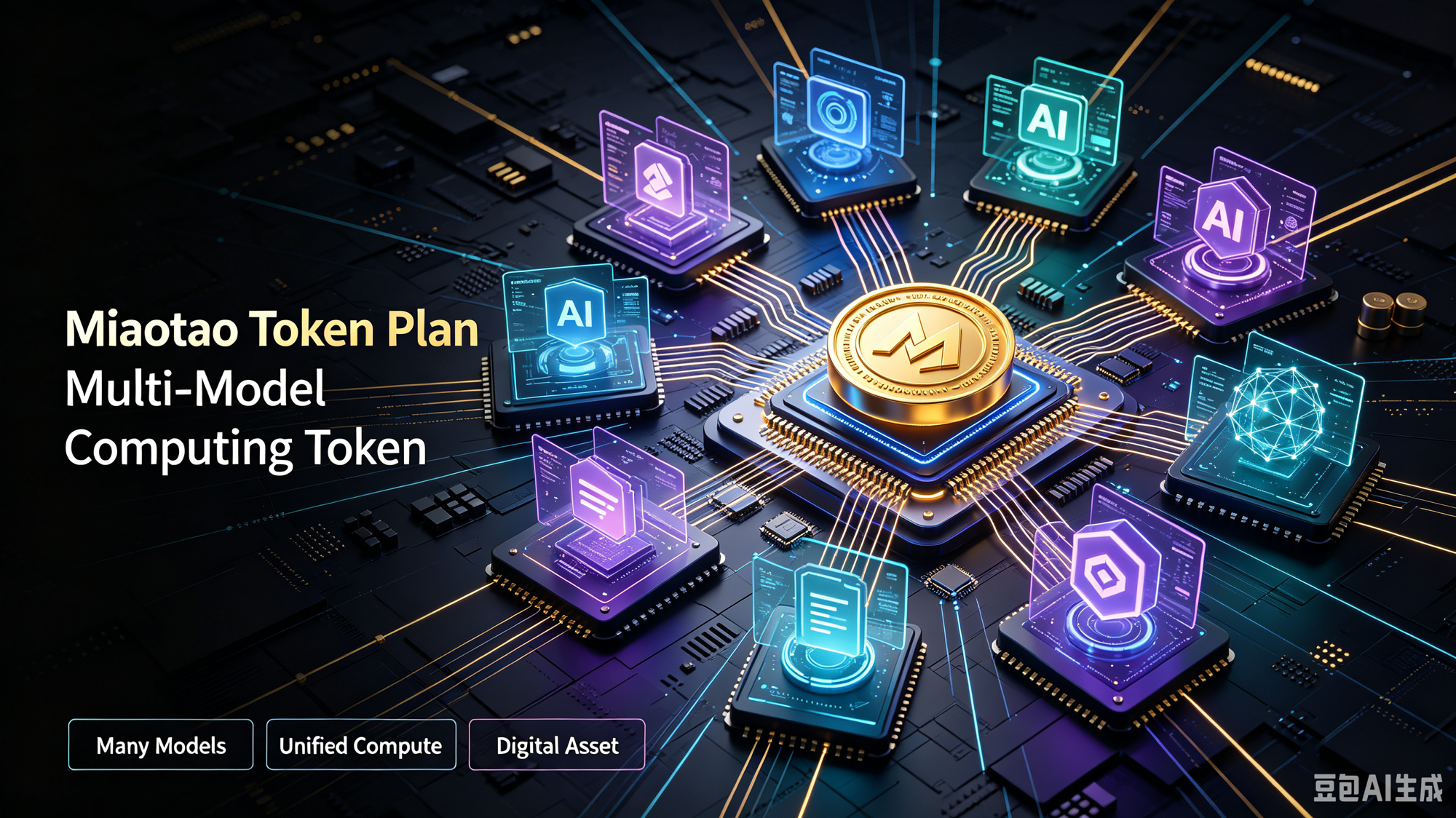
依托中国西部算力枢纽与算电协同体系,Miaotao 算力Token拥有全球成本优势、稳定算力输出、合规资产属性。通过不定期公开拍卖机制,实现算力资产公允定价、公开流通、全球价值释放,构建多模型AI时代的新型算力数字通证生态。
English
Based on western China’s computing hubs and national power-computing coordination system, Miaotao Compute Token possesses global cost advantages, stable computing output, and compliant asset attributes. Through unscheduled public auctions, it realizes fair pricing, open circulation, and global value release, building a new computing token ecosystem for the multi-model AI era.